December 18, 2025
Webcam Microphone Setup Men: Sound Clear in Private Calls
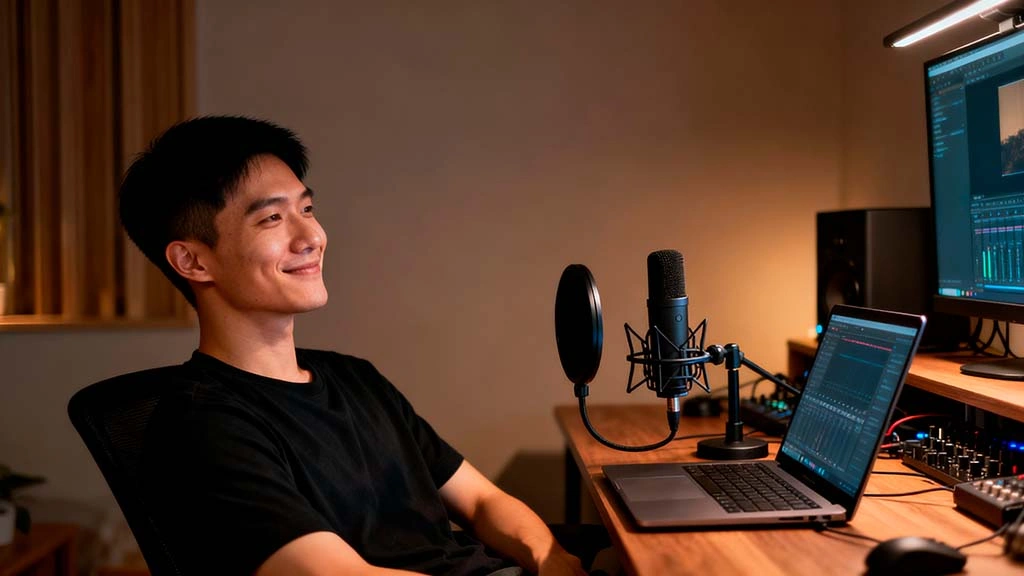
Most men only think about webcam microphone setup when someone finally says “I can’t really hear you” or “you sound far away”. By that time you are already in a private call, the timer is running, and every second you spend fixing audio feels expensive. Getting webcam microphone setup men can rely on before a call is the easiest way to sound confident and clear from the first second.
The good news is you do not need studio gear. With a basic USB mic or a decent headset, a few small tweaks in distance, room setup and software settings can remove most echo and background noise. Your goal is not “perfect podcast sound”; your goal is simply “easy to understand, stable volume, and no distracting noise”.
This guide walks you through the essentials: what type of mic to use, how far to keep it from your mouth, how to tame echo in a small room, and how to test everything before a private call so you do not waste paid minutes troubleshooting.
Why Webcam Microphone Setup Matters More Than Video Quality
Many men obsess over cameras, resolutions and filters, but forget that people will forgive a slightly grainy image much faster than muffled or distorted sound. If your audio is too quiet, too loud, or full of hiss, the other person has to work harder just to follow you. That makes you feel less confident and makes the call more tiring.
Clear audio does something subtle: it makes you sound present and grounded. Your voice carries emotion, humour and reassurance much better when it is clean. That is why webcam microphone setup men actually benefit from is a bigger upgrade than buying yet another expensive webcam.
If you have not optimized your lighting yet, pairing a good mic with solid
webcam lighting for private calls
gives you the best of both worlds: you look good and sound good without overthinking it.
Types of Mics Men Use for Private Calls
You do not have to become an audio engineer. You just need to know the basic trade-offs between three common options: built-in laptop mics, headset mics and external USB microphones.
- Laptop mic: convenient but usually picks up keyboard noise, fan noise and room echo. Use only if you have no other option.
- Headset mic: cheap gaming or office headsets often give the best clarity for the price. The mic stays close to your mouth, which keeps volume stable.
- USB mic on a stand: looks nicer on camera and can sound great, but only if you place it correctly and control room echo.
If your budget is tight, start with a simple headset. When you are ready to upgrade the visual side too, our post on
budget video call lighting setup
shows how to make your face look clearer on camera without overspending.
Step-by-Step Webcam Microphone Setup for Clear Sound
Here is a simple setup routine you can use with almost any external mic or headset. It takes a few minutes once, and then only small adjustments before each call.
1. Place the Mic at the Right Distance
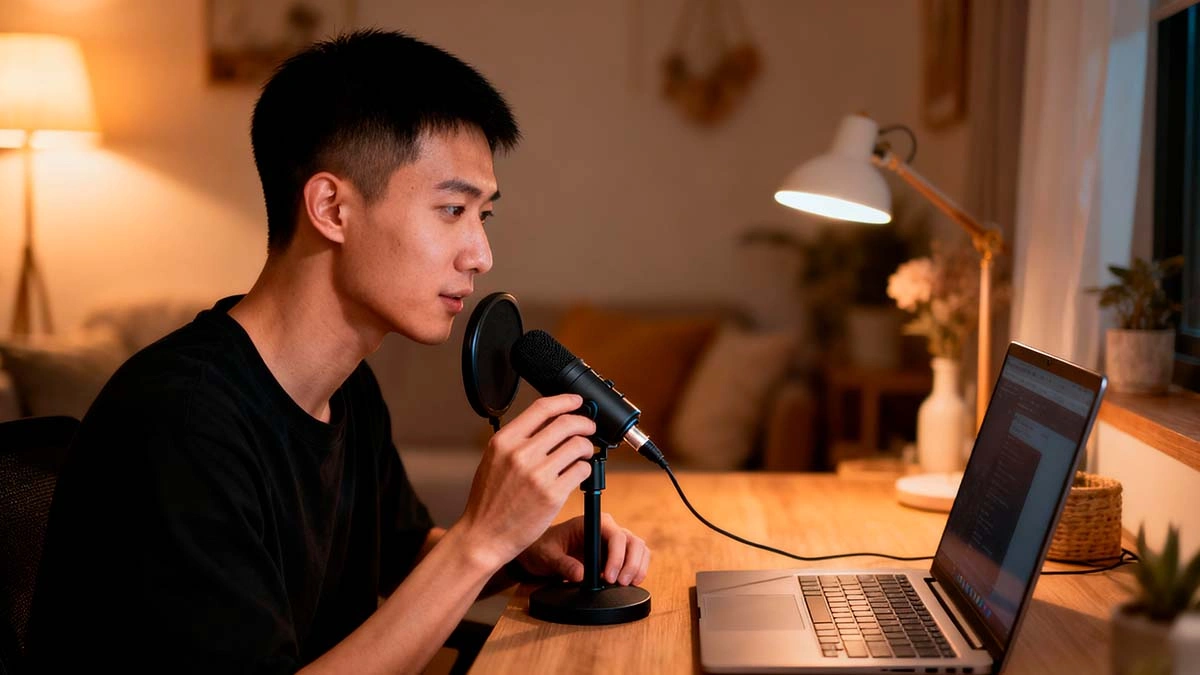
As a rule of thumb, your mic should be around a hand’s length from your mouth if it is on a stand, or two fingers away if it is a headset boom mic. Too close, and you will hear pops on “p” and “b”. Too far, and you sound distant and full of room noise.
Angle the mic slightly to the side instead of straight in front of your mouth. This reduces breath noise without making you quieter. If your mic has front and back sides, make sure you are speaking into the correct one (a common mistake with USB mics).
2. Set Input Level So You Do Not Clip
In your system audio settings or video app, check the input level meter while you speak at normal volume. You want the meter to sit in the middle, occasionally going up but not hitting the maximum. If it turns red or stays at the top, your gain is too high.
Say a few sentences out loud at the volume you would use in a real private call. Adjust the input slider until you see healthy movement without constant peaks. This one minute of testing can save you from distorted audio during the call.
3. Turn Off Unused Microphones
Many laptops and webcams have multiple mics. If your system or app randomly switches between them, your sound will jump around. In your video call app, explicitly choose the mic you want (headset or USB) instead of leaving it on “default”. Then mute or disable other inputs in your system settings.
Reduce Background Noise and Echo in a Small Room
Even a good mic will sound bad if the room is too empty or noisy. You do not have to build a studio; you just need to soften hard surfaces and control the loudest sounds.
- Close windows and doors to block traffic and hallway noise.
- Turn off fans or loud air conditioners near the mic.
- Add soft things around you: a curtain, blanket on a chair, or rug under the desk to reduce echo.
If your app has a “noise suppression” or “echo cancellation” option, turn it on and test. Do not stack three different noise filters at once; one good built-in filter is usually enough and sounds more natural than heavy processing.
Test Your Webcam Microphone Setup Before a Private Call
The best time to discover problems is five minutes before a real call, not when the private timer already started. Most video apps let you make a test call or record a short sample. Use this to your advantage.
- Record 10–20 seconds of you speaking at normal volume.
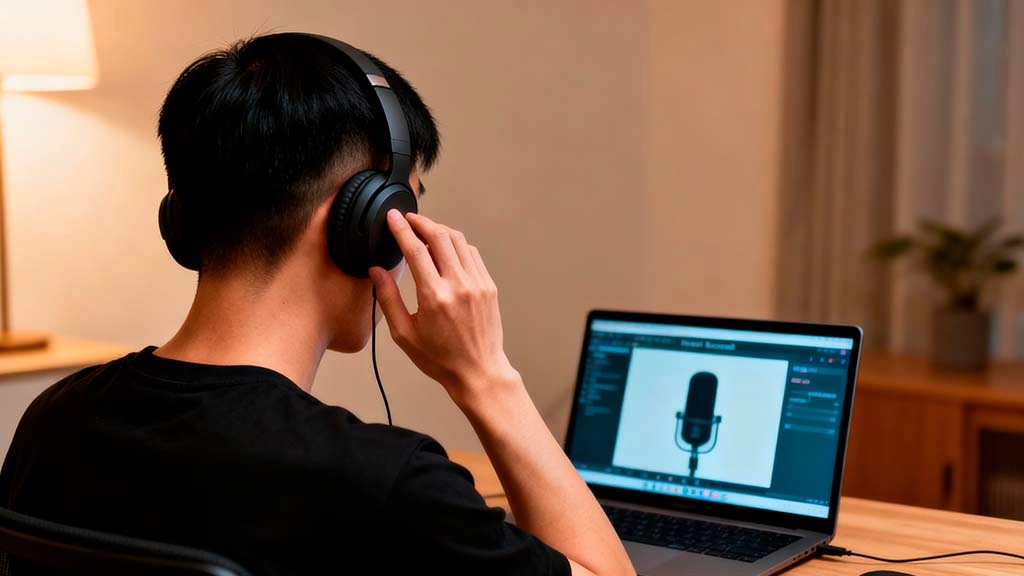
- Listen with headphones to check for hiss, hum, echo or pops.
- Adjust distance, input level or noise suppression based on what you hear.
For more detailed microphone technique, you can also read about basic
microphone technique
so you understand why small changes in position and gain make such a big difference.
Quick Fixes When Audio Problems Happen Mid-Call
Even with prep, things can still go wrong in the middle of a session. The key is to have two or three quick backup moves instead of panicking or randomly changing every setting.
- If the other person says you are too quiet, move the mic slightly closer and raise input level just a little, not to the maximum.
- If your sound is distorted, lower the input level and speak a bit further from the mic.
- If there is strange echo, make sure only one device in the room is unmuted and turn your speaker volume down slightly.
When your webcam microphone setup is dialed in and you know these basic fixes, you stop worrying about whether they can hear you and focus on the conversation. That confidence is something people notice, even if they never comment on your actual mic.
Putting It All Together for Your Next Private Call
Webcam microphone setup men actually need is not mysterious. Pick a decent mic, place it correctly, keep your room from sounding like an empty box, and always run a short test before real calls. Once you do this a few times, it becomes a quick pre-call ritual instead of a project.
Tonight, do a five-minute test: set your mic distance, check your levels, record a short clip, and listen back. Fix the loudest problem first, then move on. With each private call, your sound will get a little cleaner and your voice will feel a little more confident.
When your sound is clear, your jokes land better, your questions feel more personal, and your presence on cam becomes stronger. That is a simple technical win that quietly boosts every private call you have.